The Ride Back: How 5 Minutes Can Shape a Crew

The world has changed, and with it, the fire service. Technology has reshaped the modern fireground in ways we could not have imagined even a decade ago. Thermal imaging, improved data, drone operations, and real-time information sharing now give us faster and more accurate situational awareness than ever before.

One piece of technology more than any other has accelerated the spread of information: the cell phone. It has connected firefighters across the country, sharing training ideas, leadership lessons, and access to people we never would have reached before. But that same acceleration has a cost. The pendulum has swung hard in the other direction. We are more connected than ever, yet increasingly absent from the people sitting next to us—sometimes even in the cab on the way to the call.

Social media is often labeled a distraction, and at times it is. But it does not infect one generation more than another, as is so often claimed. If anything, the younger generation is simply more comfortable navigating it. What concerns me more is what happens during the quiet moments of the job.

Those stretches of time that once belonged to conversation, storytelling, debate, and mentorship. In the cab on the way back from a call. In the station between runs. Around the kitchen table. What once held shared experience now too often feels like isolation. We retreat into our own digital worlds, chasing the small dopamine hits we have all grown accustomed to.

But within that shift, I see an opportunity.

Leadership is often imagined on a big stage, in front of large crowds, attached to big and important topics. That version of leadership is visible, but it is not where culture is built. Real leadership does not crash into an organization. It seeps into it through small, ordinary moments.

It looks for chances to shape tone, steady direction, and point people back toward the mission.

Because here, in the middle of the organization, the most important work is done. This is where operational culture is driven. This is where influence actually exists. This is where vision is built.

Officers and senior firefighters should recognize these moments and take advantage of them. A simple question after a call can open the door to learning. What worked? What didn’t? What would we do differently next time, if anything? These conversations do not need to be formal or lengthy. They create space for younger firefighters to ask questions, think critically, and better understand both the craft and the responsibility of service. This is how culture is passed down.

The same way it was handed to us. Not through policy. Not through memos. But through conversation, mentorship, and the decision to stay present instead of drifting into distraction.

If we are looking for a way to bring some of that culture back, we do not need to invent anything new. We just need to reclaim the moments we already have. One of the most overlooked and accessible training opportunities sits right in front of us on every call: the ride back to the station.

It requires no scheduling, no planning, and no buy-in beyond intention. Everyone is already there. No one can leave. There are no competing meetings, no emails to answer, no side projects pulling attention away. It is one of the few guaranteed windows in the shift where a crew is together and focused on the same experience. We should not let that time disappear into silence or distraction. Put the phones away. Do not miss the lesson rolling past you.

One of the most powerful uses of that time is district familiarization. Every block you pass offers an opportunity for discussion. A company officer can point to a structure and engage the crew.

What type of building is that? What are the access challenges? Where would you spot the first-due engine or truck? What does your hose stretch look like from that corner? If this were aworking fire, where do you expect fire travel, and where do you want crews operating?

Construction type. Setbacks. Access. Water supply. Sometimes the best outcome is simply recognizing a building worth stopping at later for a closer look.

The ride back also provides a low-pressure opportunity to build driver and district proficiency.

Take a different route home, not randomly, but deliberately. Explore tight streets, alternate approaches, and areas that are rarely used on routine responses. Ask the backseat to call out hydrants, dead ends, or overhead obstructions. Ask the driver why they chose one route over another. Turn it into a problem-solving exercise rather than a test. What changes if we are second due? What changes if the truck is coming from a different direction? What changes at night?

These small repetitions build spatial awareness that only comes from moving through the district with intention. We need to get our heads out of our cellphones.

Finally, the ride back is an opportunity for immediate after-action discussion. Not a critique. Not a formal breakdown. Just a simple crew reflection while the call is still fresh. What went well?

What surprised you? What would you do differently next time? These short conversations normalize learning and reinforce that improvement is part of the job. It is important that these discussions are not only reactions to failure. They should also acknowledge what went right.

They give newer firefighters permission to think out loud and process decisions before habits harden.

None of this takes long. Five minutes is enough. Ten minutes is a gift. The value is not in how much you cover, but in how often you choose to engage. When crews expect the ride back to include conversation, awareness follows. Learning follows. Culture follows. When we miss that window, we miss more than time. We miss a chance to turn routine responses into deliberate development. That choice presents itself on every call. The question is whether we are intentional enough to take it.

Authored by:

Mike Elhini - Front Seat Academy

Marc Symkowick - The Holdfast Project

Borrowed Authority: The Weight of the Temporary Seat

The first time you act up as an officer, you notice the change. The energy shifts the moment you walk into the app bay and drop your gear. The day just feels different. You move a little quicker. You think a little deeper. And before you know it, you’re waiting for that first call to come in. By lunch, you’ve probably checked your phone a hundred times — just waiting. You even catch yourself thinking, “We’re going to get something today.” That’s the magic of the acting position. For a short while, you’re stepping into the role that embodies everything you’ve worked for, eager to show you’re ready for it.

Acting up is a milestone. Embrace it. Whether it’s for a few hours or a full shift, the opportunity means someone believes you are capable of the responsibility. As an acting officer, you finally get to turn all that watching and training into action. You finally get to live it. Set the plan, make the assignments, and manage the tempo. Absorb every minute of it. It’s an opportunity to discover where decisiveness meets thoughtfulness. Where leading with confidence meets listening with humility. And where earning respect meets consistency and trust. Don’t waste this opportunity hiding in the office. The administrative side can wait. Spend this time with your crew.

However, there’s a darker side you need to pay attention to. You’re still part of the crew, but you’re not one of them in the same way anymore. The defining paradox of borrowed authority lives in the shift between today and tomorrow. One day you’re part of the crew, and the next, you’re responsible for it. That’s a hard balance for anyone to manage. It’s subtle at first. The change in how people look at you. A simple pause before a joke, or maybe it’s the shift in tone at the kitchen table. It’s not distance born from disrespect. It’s uncertainty. Everyone’s figuring out where the lines are now, including you. It’s uncomfortable, but that discomfort is the forge where credibility is built.

When I was first given my temporary acting assignment, I was placed in the same firehouse where I’d been working as a firefighter. Same station. Same crew. Same people I’d been side by side with the entire year. They never treated me any differently, but I still felt the shift. The responsibility was real now, and I knew the expectations that came with it. I caught myself paying closer attention to my words, my tone, and my presence.

To lead effectively in the acting role, you must change the way you see the job. The real work doesn’t happen on the days you’re in charge. It happens on the days you’re not. That’s when your mindset and attitude quietly build the trust you’ll need when it’s your turn in the seat. This is the classic definition of leadership capital. It’s the credibility you build that accumulates over time. Acting up isn’t just about covering a seat; it’s about shaping a culture. If we treat those moments like placeholders, we lower the standard. But if we take them seriously, we raise the bar for the next person who steps in.

At the end of the day, it’s about ownership. The second you crack open that task book, you’ve declared that you want the responsibility. From there, every move you make should prove you’re ready for the seat, not just waiting for it. This isn’t an à la carte menu where you uphold policies one day and ignore them the next because you’re not bumped up. You don’t get to turn leadership on and off when it’s convenient. The temporary acting assignment might only last one day, but the lessons and reputation you build will follow you for the rest of your career.

The Fire Suppression Mindset

In the world of firefighting, there’s no such thing as perfect conditions. Smoke, heat, chaos, and unpredictability define the job. That is why fire suppression isn’t just a task but a mindset.

Hear me out. We don’t wait for perfect conditions. We make them better.

Fire doesn’t pause for us to plan. It grows, it evolves, and it destroys. Those who wait get left behind or worse, overrun. Fire suppression demands decisive action and calculated aggression. We don’t control the conditions we enter—but we can control how we respond.

That’s the core of the fire suppression mindset: create order out of chaos. Make things better by moving with purpose, not hesitation. The fire doesn’t back down and neither do we. As we know and I have said many times, every fire is different. Every layout, incident and hazard present its own set of problems. But the mission remains the same: protect life, preserve property, stabilize the incident and dominate the fire.

This job doesn’t allow for fear-based hesitation. It demands a relentless mindset. A minset one where backing down is not an option. We push forward with purpose because lives depend on it.

Aggressive But Calculated

We hit it hard and fast but we don’t act recklessly. We know our tools, we understand the flow path and we make decisions based on training, experience and instinct. Controlled aggression is what stops fire in its tracks.

Disciplined Under Pressure

When the heat rises, emotions follow. But discipline is what separates elite fireground performance from disorganized chaos. Staying calm and focused in the storm saves lives, ours and theirs.

Committed to the Mission

This isn’t just a job, it’s a calling. Firefighters who embrace the suppression mindset know that we train for worst-case scenarios so we can operate at our best when it matters most.

Fire Suppression is more than a knockdown, it’s a mindset. Fire suppression isn’t just about flowing water. It’s about preparation, grit, and refusing to settle for mediocrity. Whether you're first due on the nozzle or coming in second due as a backup line, this mindset defines how you approach the incident, your crew, and yourself.

Stay aggressive. Stay sharp. Stay committed.

Because when the alarm drops, you bring the fight.

Until next time, work hard, stay safe & live inspired.

Building a Repeatable Growth Model (RGM) in the Fire Service

In firefighting, consistency saves lives. Whether it’s pulling hose, conducting a primary search, or commanding a structure fire, we rely on repeatable actions under pressure. But what about developing firefighters themselves? What about growing officers, strengthening crews, and building leadership? That’s where the Repeatable Growth Model (RGM) comes in.

An RGM for the fire service is a structured, scalable way to develop personnel, improve operations, and grow leadership—consistently and predictably across your department.

What Is an RGM in the Fire Service?

A Repeatable Growth Model is a system that ensures:

  • Firefighters grow with purpose and direction

  • Officers are built through training, mentorship, and challenge

  • The department operates with consistent expectations and standards

  • Leadership capacity increases without depending on chance

It’s about creating an environment where growth is not optional—but expected, and where success is measurable, trainable, and repeatable.

Six Pillars of a Fire Service RGM

1. Clear Standards and Expectations

The foundation of any high-performing organization is clarity. Every rank—firefighter, engineer, officer, chief—should know:

  • What’s expected

  • How success is measured

  • How they can move to the next level

This includes well-written SOPs/SOGs, job performance requirements, and task books that are actively used, not just filed away.

2. Structured Training Progression

Training should be layered, logical, and progressive:

  • Probationary firefighter: Basic tactics and crew operations

  • Senior firefighter: Advanced fireground leadership, RIT, mentoring

  • Officer candidate: Command simulations, personnel management, public interaction

Repetitive exposure to realistic scenarios builds confidence and competence.

3. Mentorship & Coaching Systems

You can’t scale growth without leaders who know how to develop others.

  • Pair new members with proven mentors

  • Train officers to give constructive feedback and act as coaches

  • Make feedback expected, not feared

A strong mentorship culture turns experience into a multiplier.

4. Leadership Pipeline

Officers shouldn’t be chosen because “it’s their turn”

Instead, develop a repeatable path to promotion, such as:

  • Formal officer academies

  • Acting officer opportunities

  • Peer leadership programs

  • Leadership simulations (e.g., tabletop, ride-alongs with command officers)

If you want better officers, build them, don’t just promote them.

5. Performance Review & Feedback Loops

Performance evaluations shouldn’t just be administrative.

They should:

  • Reinforce accountability and progress

  • Identify areas of strength and growth

  • Be backed by observable behaviors, not opinions

  • Happen consistently, not just annually

Honest feedback helps people grow. Silence does not.

6. Mission-Driven Culture

Finally, none of these works without a shared purpose.

  • Every firefighter should know the “why” behind the standards

  • Core values like service, humility, grit, and teamwork must be modeled

  • Leadership should constantly tie growth back to mission readiness and public trust

Culture eats policy for breakfast. So, build one that drives your growth forward.

Why RGM Matters for Your Department

Without a structured growth model:

  • Training is inconsistent

  • Promotions feel political

  • Morale and performance drift

  • You lose good people to stagnation or frustration

With an RGM in place:

  • Firefighters know how to grow

  • Officers are built, not guessed

  • Culture is consistent, not chaotic

  • Operational performance improves

What a Simple RGM Can Look Like

Stage

Repeatable System Example:

  1. Recruit Onboarding

    12-week academy + post-academy mentor checklist

  2. Probation Phase

    90-day evals + structured skill progression throughout first year

  3. Continuing Education

    Annual training calendar + company-level drills

  4. Officer Development

    In-house leadership school + acting officer assignments

  5. Succession Prep

    Command simulations + 360-feedback + coaching

Ready to Build an RGM for Your Fire Department?

Start small. Pick one area to standardize—probationary training, officer development, mentorship—and build from there. Growth doesn’t have to be overwhelming. It has to be repeatable.

If you're a training officer, chief, or aspiring leader, I’d be happy to help you map out your department’s version of an RGM—from templates and evaluation forms to leadership curriculum and SOPs.

Because better firefighters don’t happen by accident. They happen by design.

Until next time, work hard, stay safe & live inspired.
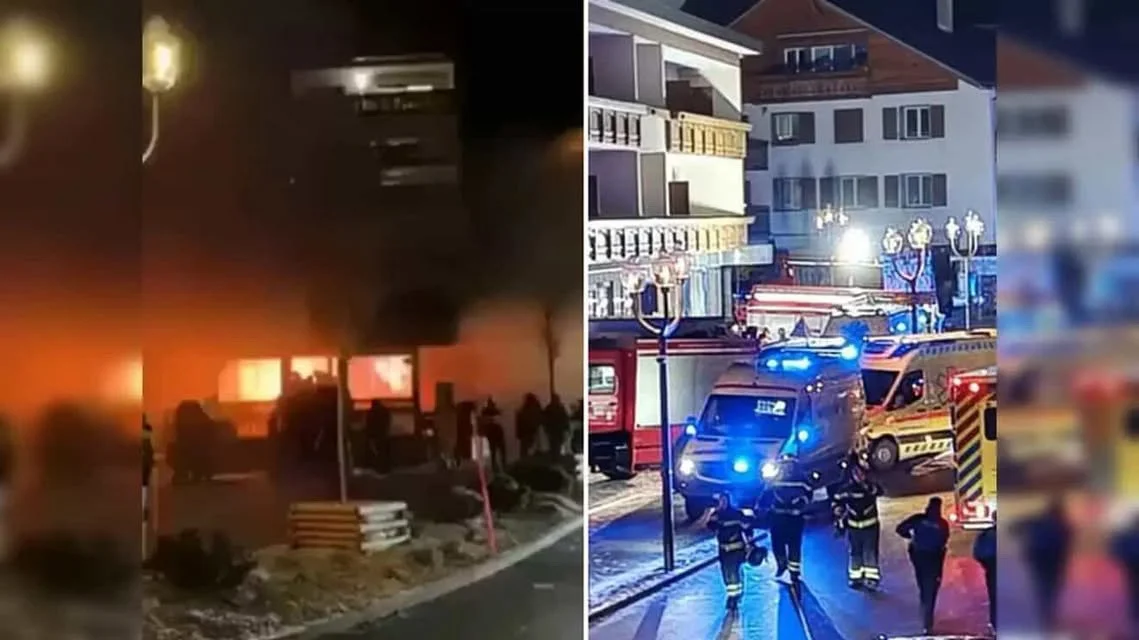
The First Five Minutes: Why Early Decision-Making Shapes the Fireground

Fires are often won or lost before the first line is charged. Those opening moments dictate everything that follows, setting the rhythm and direction of the incident. It doesn’t matter if you’re the chief officer establishing command, a captain or lieutenant giving assignments, or the firefighter riding the seat, sizing up what you’re about to walk into; every decision and every action in those first five minutes carries weight. The fireground is unforgiving, and small choices can snowball into either success or failure. The purpose of this article is simple: to highlight why disciplined decision-making in the earliest moments matters most. By focusing on clear size-ups, solid communication, and tactical priorities, we can transform the chaos of arrival into coordinated action that keeps our people safe, saves lives, and puts us in the best position to succeed.

The Importance of the Initial Size-Up

When the first-arriving officer pulls up, the size-up becomes the foundation for every move that follows. The first question is always fire conditions: is fire showing, and if so, where is it located? The answer dictates immediate priorities. Just as important is the type of building you’re facing: commercial or residential, single-family home or multi-story apartment, suburban sprawl or dense urban block. Construction and layout have a direct influence on fire spread, collapse potential, and access points. Occupancy and time of day add another layer of complexity. In a residential community, a daytime fire might mean fewer people home but a pet left behind, while a nighttime fire almost guarantees occupied houses and apartments. Commercial occupancies flip that script. Daytime hours often involve heavy staffing and a high civilian presence. At the same time, nighttime may reduce the number of people inside, but it still requires a cautious search for late workers or security personnel. Each factor —construction, occupancy, and timing — paints a picture that shapes the first critical choices in the opening minutes.

That initial size-up isn’t complete without a full 360° walk-around when possible. This quick but deliberate lap gives the officer information that may not be visible from the front seat. Look for hints of fire showing from hidden sides, smoke pushing from eaves, or heat patterns on windows. Scan for victims at windows or balconies signaling for help, because their location will dictate the most urgent tactics. Identify all available means of access and egress, including front doors, rear doors, side entries, fire escapes, and even basement walkouts, that may serve either crews making entry or civilians trying to exit. These observations aren’t just boxes to check; they form the blueprint for how the first five minutes will unfold. A strong 360 turns guesswork into informed decision-making, which is exactly what the fireground demands.

Communication Sets the Tone

Clear, confident communication in the first minutes sets the tone for the entire incident. The first-arriving officer must establish command and relay conditions to incoming units in a way that paints the picture. A strong initial radio report should cover conditions, actions, and needs, for example, “Engine 1 is on scene with a two-story residential, heavy smoke showing from the second floor, stretching a line for interior attack, start me a second truck.” Simple, direct, and decisive. Not every decision will be perfect, but the fireground demands that officers stand by their calls and remain accountable for their actions. Mistakes can and do happen, and while they carry consequences that may cause injury or worse, consistent training sharpens judgment and improves the odds of making the right decision when it counts most.

The absence of clear communication breeds chaos. Crews left guessing may charge in without direction, leading to confusion, duplication of effort, and uncontrolled actions. While freelancing has its place and can be effective when done with experience and purpose, it’s not a substitute for clear leadership and strategy. Ultimately, effective communication ensures that every action taken on the fireground aligns with a single, unified goal.

Priorities in the First Five Minutes

Once size-up and communication are established, the first five minutes must focus on setting clear priorities. Every incident should be guided by the same objectives: ensuring life safety, stabilizing the incident, and preserving property. These aren’t just phrases we repeat in training; they’re the core of why we do what we do. They give order to the chaos and ensure that every company’s actions are pointed in the same direction.

From there, tactics must align with the conditions. The choice between offensive and defensive mode sets the entire strategy. Every effort should be made to initiate an offensive attack, as it saves lives. Some call it “aggressive firefighting.” I call it firefighting because that’s how the job should be done. That said, there are moments when the fire dictates a defensive start. Suppose flames are erupting from every window and structural integrity is already compromised. In that case, you may have no choice but to begin defensively and reassess whether conditions allow for a transition inside. Still, remember this hard truth: if you’re choosing to go defensive on a building that appears vacant, it remains occupied until the fire department proves otherwise.

Priorities also hinge on coordination between engine and truck companies. Ventilation must be timed with fire attack, and the truck should be relaying conditions back to the engine as they locate the seat of the fire. Poor coordination here wastes energy, creates dangerous fire behavior, and slows victim removal. Equally important is ensuring water supply and access. Establishing a reliable source from the start keeps the attack moving forward and prevents crews from being caught without protection.

When these early objectives are clearly laid out, the fireground runs more smoothly. Crews know their assignments, companies support each other’s efforts, and valuable minutes aren’t lost to duplication or hesitation. The difference between success and disaster often comes down to those first five minutes being driven by decisive, coordinated priorities.

Avoiding Pitfalls of Poor Early Decisions

The quickest way to lose control of a fireground is through poor decisions made in the opening minutes. Rushing in without a plan, overcommitting resources to the wrong tactic, or treating a “routine” fire with complacency can all set the stage for failure. Once those first five minutes are wasted, recovery becomes far more difficult, often forcing command to play catch-up while conditions worsen. This is also where critical thinking plays an important role. Slowing down just enough to assess, process, and make calculated decisions ensures that every move is deliberate and supports the bigger picture. A disciplined approach in the beginning isn’t about hesitation; it’s about making sure every action counts.

Training for the First Five Minutes

The best way to prepare for the pressure of those opening minutes is to train for them. Company drills should go beyond stretching lines or throwing ladders; they should simulate rapid size-ups, quick initial decisions, and the kind of immediate actions that mirror a real first-due arrival. These scenarios train firefighters to think quickly, communicate effectively, and act decisively when the tones drop.

Incorporating “first due” simulations into training brings a sense of realism that builds confidence. Practicing engine stretches, truck placement, and giving initial radio reports in a timed environment helps crews develop muscle memory while sharpening their ability to adapt to changing situations. The more realistic and fast-paced the drill, the better prepared a company will be when the real thing happens.

Training also needs to focus on leadership development. During specific scenarios, allow lieutenants to act as captains and captains to act as chiefs. This not only prevents complacency but also gives officers a clearer understanding of what others in the chain of command are looking for. By stepping into those roles under stress, they learn to anticipate needs, appreciate the bigger picture, and prepare themselves for future promotions. Building this kind of depth ensures that when it’s their turn to lead in those first five minutes, they’ll be ready.

Bringing It All Together

The fireground is shaped in its first five minutes. From the moment the first unit arrives, size-up, communication, and tactical priorities dictate whether the incident moves toward order or chaos. Strong decisions in those early moments create a foundation for coordinated operations, while poor choices can leave crews scrambling to recover. That’s why critical thinking, disciplined action, and a commitment to training are so vital. By drilling realistic scenarios, practicing rapid size-ups, and preparing officers at every level to think critically and proactively under stress, we give ourselves the best chance to succeed. At the end of the day, the first five minutes belong to those who are ready to lead, prepared to act, and committed to making every move count for our crews, the victims we serve, and the communities that depend on us.


What is Your Reason? A Firefighter’s Reflection on Purpose, Passion, and Perseverance

In the fire service, we pride ourselves on being ready for anything — chaos, crisis, catastrophe. But behind every call we run, every drill we sweat through, and every sleepless night spent under fluorescent lights… there’s a deeper question we all need to answer:

“What is your reason?”

Not just why you became a firefighter — but why you stay. Why you show up early, train harder, push further. Why you take the hard calls personally, and the easy days humbly.

Maybe your reason is your family — the ones you kiss goodbye before every shift, knowing each one might be different. Maybe it’s your crew — the people who’ve got your back in zero visibility and life-or-death moments. Maybe it’s duty — a calling to serve when others run. Or maybe it’s growth — becoming stronger, sharper, and more disciplined with each challenge.

The fire service will test you. It will stretch your limits. It will expose your weaknesses. It will humble your ego. But your reason — your why — will anchor you. It’s what keeps you from quitting when you're broken, what gets you up when you're tired, what reminds you that you are part of something much bigger than yourself. And beyond the firehouse, this mindset applies to life itself.

We all face our own “burning buildings” — stress, loss, fear, failure. We all fight unseen battles. We all have moments where quitting feels easier than continuing. But purpose makes the pain worth it.

Reason gives resilience. So ask yourself — Why do you do what you do? What legacy are you building? Who or what are you fighting for? Whether on the fireground or at home, know your reason.

Let it shape your mindset. Let it lead your actions. Let it define your story.

Because when the heat turns up — in life or in the job — your reason is the only thing that will keep you moving forward.

Until next time, work hard, stay safe & live inspired.
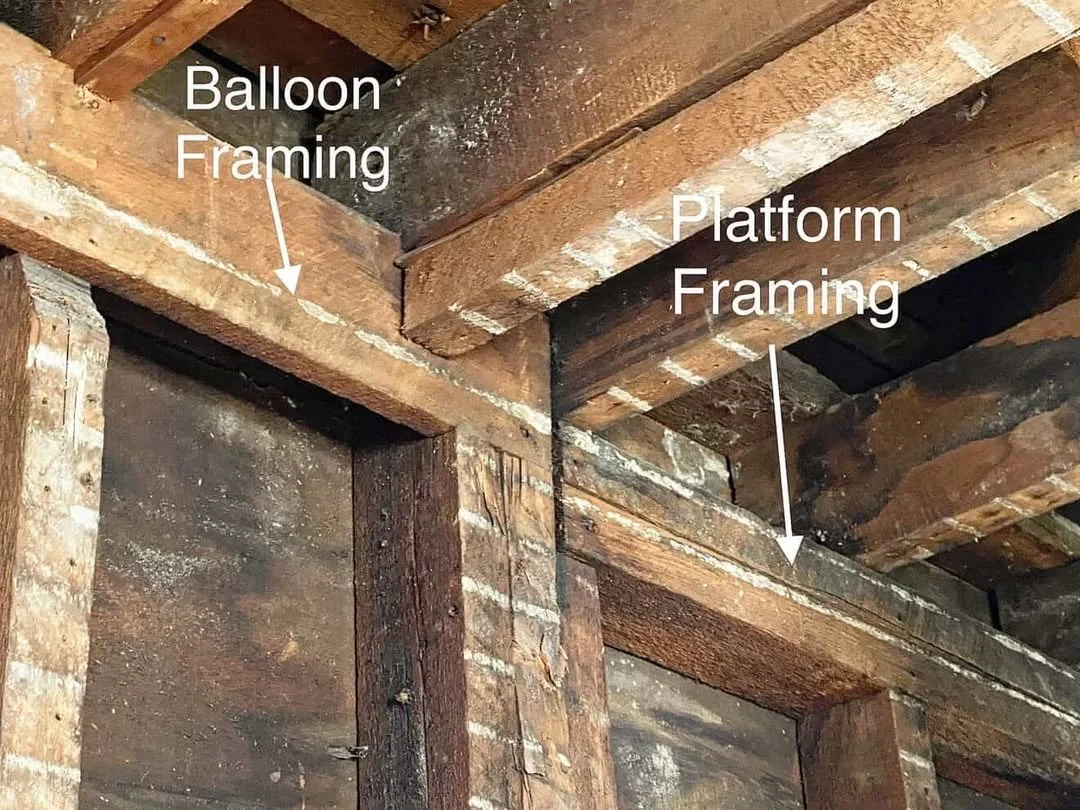
BLEVE Hazards and Mitigation: Understanding Boiling Liquid Expanding Vapor Explosions Part 2 – The Mitigation

This is the second part of our blog series about BLEVEs, where we will discuss ways firefighters can mitigate the associated hazards. 

Strategies for Firefighters

Preventing BLEVE incidents and minimizing their impact requires a comprehensive approach. The first step is through risk assessment and pre-incident planning. Get out in your first due and identify locations with BLEVE potential (garages, storage yards, industrial facilities). You should conduct pre-incident surveys and coordinate with owners and facility operators about vessel types and containment systems. If operating at a commercial/industrial facility, ensure emergency plans are available and up to date. If it is a residential or light commercial facility where the tank may be rented from a fuel supplier, consider requiring a way for the name of the company and contact information to be obtained without having to approach the container. There is a good chance the name will be on the tank for advertising purposes. However, the name may not be there, has degraded over time due to the elements, or it is not visible due to active fire. The tank company could be a resource for information regarding operations or overhaul. 

Maintain disciplined scene management and determine a safe approach route. Establish your hot zone based on vessel size. The Emergency Response Guidebook (ERG) has a section towards the back regarding BLEVE safety and provides suggested fireball size, evacuation distance, and cooling water flow. Consider having this zone predetermined on a case-by-case basis and available in pre-plan information. Strict access control must be employed, and civilians and non-essential personnel need to be evacuated beyond the projected hazard radius. Approach to a vessel should be made from an upwind and uphill position to reduce exposure to vapor and projectiles. It has also been suggested that an approach should not be made straight onto the end caps for safety in the event of a tank deflagration. Firefighters should attempt to make use of any available cover, such as barriers, apparatus, or terrain, when operating near vessels at risk.

A large quantity of water will be required to cool exposed vessel surfaces. The application of water should be focused on the vapor space above the liquid, where the metal is most vulnerable. Avoid directing water directly at a leak as this may cause freezing of the water. Firefighters should continually monitor the vessel temperature with thermal imaging cameras to assess cooling effectiveness and identify an increase in temperature. Do not attempt to extinguish the fire at the base of the vessel until cooling is assured and venting from relief valves has stabilized. If cooling is not effective or container deformation is observed, withdraw to a safe distance immediately.

Pressure relief valves are the first line of defense against a BLEVE. Having a relief valve “blow off” excess pressure is not a bad sign. They are safety devices designed to automatically release excess pressure from a vessel to prevent pressure from rising to dangerous levels. They are set to open at a predetermined pressure and then close once normal conditions are restored. They will cycle between being open and closed if the tank cannot be sufficiently cooled. However, while the PRV vents pressure, it does not prevent the BLEVE itself. This cycling of venting is an indication that more liquid is being converted to a gaseous state. The venting reduces the liquid level, which exposes more of the vessel's metal to heat, potentially weakening it and increasing the likelihood of a BLEVE.

Avoid direct intervention on vessels showing signs of imminent failure.

Firefighters should wear full turnout gear and SCBA when operating near vessels at risk of BLEVE. Apparatus should be positioned outside of the hazard zone to prevent loss of or damage to vehicles and equipment.

Conclusion

BLEVEs are among the most dangerous situations firefighters may encounter. These events combine explosive force, intense heat, and unpredictable projectiles. To mitigate these hazards, firefighters must prioritize knowledge, preparation, and strict adherence to safety protocols. By conducting risk assessments, undergoing proper training, using protective equipment, and taking decisive action, firefighters can significantly reduce risks to themselves and the public. Maintaining vigilance and respecting the tremendous power of pressurized vessels is essential for a firefighter's defense against the threat of a BLEVE.

Understanding Fire Behavior for Today's Firefighters

Fire behavior is one of the most critical areas of knowledge for any firefighter. It directly impacts decisions on the fireground and is key to ensuring the safety of personnel and the effectiveness of tactical operations. At its core, fire requires three essential components to exist—heat, fuel, and oxygen—collectively known as the fire triangle. However, to truly understand fire behavior, we must go a step further and include the chemical chain reaction, forming what is called the fire tetrahedron. This reaction sustains combustion, and disrupting any one of these elements will lead to fire extinguishment.

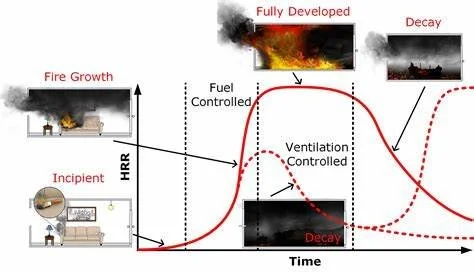
Fires progress through a predictable series of stages: the incipient stage (initial ignition with minimal visible signs), the growth stage (where the fire begins to intensify and spread), the fully developed stage (maximum heat release and flame spread), and the decay stage (where fuel and oxygen begin to run out). Each stage presents unique threats and demands a specific tactical approach. Recognizing and anticipating these transitions is crucial for safe entry, ventilation timing, and suppression tactics.

Among the most dangerous phenomena firefighters may encounter are flashover, rollover, and backdraft. Flashover is the near-simultaneous ignition of all combustibles in a space due to high temperatures and thermal radiation. Rollover is the ignition of hot gases that have risen to the ceiling, often a precursor to flashover. Backdraft is an explosive event caused by the sudden reintroduction of oxygen into a superheated, oxygen-deprived environment. All three present extreme danger and require situational awareness and early recognition.

Smoke itself is an invaluable indicator of fire conditions. Its color, velocity, volume, and density can provide early clues to fire location, intensity, fuel type, and potential hazards. Light-colored smoke may indicate early-stage fires or clean-burning fuels, while dark, turbulent, fast-moving smoke suggests high heat and dangerous fire growth. Reading smoke is an essential skill that gives firefighters an edge in identifying flashover conditions, collapse zones, and points of safe or unsafe entry.

Fire spreads in three primary ways: conduction (heat traveling through solid materials like metal beams), convection (heat and gases moving upward through open spaces and ventilation paths), and radiation (heat traveling through space and igniting surfaces at a distance). Understanding these modes of fire travel is essential when assessing fire spread potential, protecting exposures, and predicting the fire’s next move.

In today’s fire environment—fueled by synthetic materials and affected by lightweight construction—the speed and severity of fire growth are greater than ever before. This reality demands not just physical readiness but also a mental and strategic understanding of how fire behaves. Firefighters must approach each incident with a trained eye, constantly evaluating smoke conditions, building construction, ventilation profiles, and environmental factors like wind.

Ultimately, fire behavior is not just a theoretical subject—it’s a life-or-death factor on every scene. By studying it, drilling it, and applying it, we increase our operational effectiveness, protect our crews, and uphold our mission to save lives and property. The fireground is dynamic and unforgiving, but through knowledge, preparation, and observation, we can meet its challenges head-on.

Until next time - work hard, stay safe & live inspired.

BLEVE Hazards and Mitigation: Understanding Boiling Liquid Expanding Vapor Explosions Part 1 – The Hazards

Introduction to BLEVE

A Boiling Liquid Expanding Vapor Explosion (BLEVE) is one of the most catastrophic and dangerous events firefighters can encounter. The threat presents itself when responding to incidents involving pressurized containers of flammable or non-flammable liquids. BLEVEs can result in devastating blast effects, intense thermal radiation, and the violent scattering of container fragments. Understanding the hazards that BLEVEs present and how to mitigate them is essential for the safety of firefighters and the public.

What is a BLEVE?

A BLEVE occurs when a vessel containing liquid at a temperature above its boiling point at atmospheric pressure ruptures. Upon sudden loss of containment, the superheated liquid rapidly vaporizes, expanding with explosive force. This phenomenon is most commonly associated with liquefied gases under pressure.

Hazards Associated with BLEVE

BLEVEs pose multiple, simultaneous dangers to firefighters and the surrounding community. The explosion generates a powerful shockwave, capable of causing structural damage, shattering windows, and knocking down personnel at significant distances. If the liquid is flammable (e.g., LPG), the rapidly expanding vapor can ignite, creating a massive fireball. The thermal radiation from this fireball can cause severe burns, ignite secondary fires, and damage equipment. Fragments from the ruptured vessel can be thrown extreme distances at high speeds. These projectiles can cause fatal injuries or destroy property well beyond the immediate site. For vessels containing toxic chemicals (like chlorine or ammonia), a BLEVE can release hazardous clouds, exposing firefighters and civilians to acute health risks.

BLEVE Hazard Zones

Determining safe distances is critical. The hazard zone for a BLEVE is not limited to the immediate area around the vessel. Projectiles and thermal effects can reach thousands of feet. Factors influencing hazard zones include size and type of vessel, substance involved (flammable, toxic, or inert), pressure and temperature of the contents, and surrounding environment (urban, industrial, rural).

Warning Signs and Precursor Events

If firefighters are responding to an incident involving a pressurized container, several indicators may suggest an increased risk of a Boiling Liquid Expanding Vapor Explosion (BLEVE). Firefighters should be aware of, consider, and monitor the following conditions:

· The vessel is exposed to direct flame impingement, particularly near the liquid/vapor interface.

· There is visible deformation of the vessel, such as bulging or ballooning.

· Pressure relief valves are activated, stopped activating, or have failed.

· There are sounds of rapidly increasing pressure, such as hissing or popping noises.

· There is a noticeable change in the color or intensity of the flame near the vessel.

· Leaking valves or fittings are producing vapor clouds.

Being vigilant about these indicators can help prevent a potential BLEVE.

This sums up what a BLEVE is and the associated hazards. In the next blog post on this topic, we will explore ways for firefighters to mitigate the hazards discussed here.

Be Smart- Stay Safe!

The Lost Art of Drafting

A very undervalued and often forgotten skill in the fire service - drafting.

Drafting water with a fire engine involves drawing water from a static source—like a pond, lake, river, or portable tank—into the fire engine's pump so it can be used for firefighting operations. This process is used when there is no nearby hydrant or pressurized water supply. Unlike hydrants, which supply pressurized water, static sources require firefighters to create suction using a pump to pull the water into the apparatus. This is typically done using hard suction hoses and a priming pump to remove air from the system and allow atmospheric pressure to push water into the pump. Drafting is especially common in rural or remote areas where hydrants are unavailable, and it's a critical skill for maintaining water supply during extended fire operations.

In many parts of the country, hydrants are everywhere or being added into communities as more towns are over developing their land and turning small rural and suburban towns into mini metropolis areas causing for over population and high strain on many small and volunteer fire departments. Due to this, the importance or need to understand the art of drafting water has seemingly been becoming an old, antiquated style of water supply. Regardless of that, there are still times when drafting is needed based on the demographics and anomalies, fire departments should think about.

The National Fire Protection Association (NFPA) recommends a minimum flow rate of 150 gallons of water per minute from a single hose line to effectively fight a fire. However, most structure fires require multiple lines, with total water flow often ranging from 300 to 1,000 gallons per minute or more. Given that a typical fire engine carries only 750 to 1,000 gallons of water, this supply can be exhausted in as little as 5 to 7 minutes—or even faster when higher flow rates are needed. This means that firefighters must quickly establish a continuous water source by connecting to a hydrant within minutes of arrival. In areas without hydrant access, additional engines or water tankers must be dispatched immediately to maintain an adequate water supply. The urgency of securing water underscores the importance of pre-planning, mutual aid agreements, and rapid response to prevent fire spread and structural loss.

Basic Drafting Steps:

Position Engine close to water on stable ground. Position the engine as close as safely possible to the water source. By positioning the engine close to the water source, it will minimize the length of the suction hose needed.

Connect Hard Suction Hose with strainer to pump intake.

Submerge Hose fully in water, free from debris or air.

Prime the Pump to create vacuum, allowing atmospheric pressure to push water into the hose and initiate water flow. Priming the pump activates the pump to remove air from the system, creating a vacuum that allows atmospheric pressure to push water into the pump. This is done by use of the primer pump either manual or automatic.

Start Pumping, monitor pressure, and operate attack lines. Once the pump is primed and water is flowing, you can increase the throttle to build pressure. The water is now available to be discharged through attack lines or transferred to another apparatus. Open the discharge valve slowly to allow water to flow through the system. Monitor pressure gauges to ensure stable operation.

Side note: If using portable tanks, ensure they are replenished as needed to maintain an adequate water supply.

Key Considerations:

Max lift height is ~25 feet due to atmospheric pressure.

Leaks or air in the hose will prevent drafting.

Water quality (debris, mud, ice) can disrupt operation.

Why It Still Matters:

Despite increasing hydrant availability, drafting is still crucial for departments facing rural response, wildland fires, or extended operations. It’s a skill that should not be forgotten, especially given the increasing strain on small and volunteer departments.

Until next time - work hard, stay safe & live inspired.

No Matter How Strong Your Last Shift Was — Today’s Fire Doesn’t Care.

In the fire service, your mindset speaks to the perishable nature of readiness. You might have crushed a call last shift, made a great stop, or executed perfect teamwork — but that was then. Fires don’t care about your résumé. Emergencies won’t wait for you to catch up. Lives, property, and the safety of your crew depend on what you bring today.

Core Themes:

Complacency kills. Past success can lead to false security. Overconfidence is the enemy of vigilance. Every call is different. No two fires behave exactly the same. Tactics evolve. Conditions change fast. You’re only as good as your last rep. Mental sharpness, physical conditioning, and technical skills must be maintained. Yesterday’s training won’t carry you forever.

Earn it daily.

Respect the craft. Hone your edge. Show up to the station or the rig ready to win today’s game.

For the Crew Wall or Day Room:

“No matter how strong your last shift was — today’s fire doesn’t care.

Reset. Recommit. Reload.

This shift is a new game — and we play to win.”

Until next time, work hard, stay safe & live inspired.

Yesterday’s Hits Won’t Win Today’s Game

"Yesterday’s Hits Won’t Win Today’s Game"

We’ve all been there — the feeling after a solid stop on a working fire. Maybe it was a fast knockdown, a tough rescue, or spot-on ventilation. The kind of call that reaffirms why we do this job. But as great as that win feels, it doesn’t guarantee success on your next shift.

Yesterday’s hits won’t win today’s game” is more than a catchy phrase. It’s a cultural challenge. A mindset shift. In this profession, lives depend on how we perform under pressure — right now. The community doesn’t care about your highlight reel. The fire doesn’t care about your certifications. Each call is a new test. Are you ready?

This is why we drill. This is why we talk through runs, inspect gear with purpose, and train harder than the job requires. It’s not just pride — it’s survival.

So the next time you step off the rig, ask yourself: "Am I bringing my best game today?" Because yesterday’s performance won’t save a life tomorrow.

Until next time, work hard, stay safe & live inspired.
Leadership Intent in the Fire Service

What Is Leadership Intent? Let's just start this right here.

Leadership intent is a clear expression of purpose, priorities, and expected outcomes from officers and command staff. It gives firefighters a framework for decision-making, even when direct supervision or communication is limited.

It answers questions like:

• What are we trying to achieve?

• Why is it important?

• What are the boundaries or priorities I need to honor?

Why Leadership Intent Matters on the Fireground

Emergency situation evolve fast and leadership intent provides clarity in chaos. This intent allows firefighters to make sound decisions independently that still align with overall objectives — like protecting life, property, and firefighter safety. Here's an example of it.

Your engine company officer (lieutenant) says, “Our intent is to contain the fire to the first floor, protect the stairwell to keep this a rescue priority operation and prevent further fire spread.”

Even if radios fail, firefighters understand the mission priorities and can adjust accordingly.

Empowers Decentralized Decision-Making - De-centralized Command

Leaders cannot be everywhere. Clear intent enables firefighters and company officers to act with confidence and consistency when making split-second decisions. Think of it as “commander’s intent” in the military — the why behind the what.

Drives Accountability and Debriefing

If intent is clearly communicated before an operation or drill, performance can be evaluated against it afterward. This helps in many areas such as:

  • After-action reviews (AARs)

  • Correcting errors

  • Reinforcing effective decision-making

“Did our actions support the intent to prioritize rescue over exposure protection?”

Reinforces Culture and Values

Leadership intent reflects what the department stands for - safety over speed, teamwork over individualism and tactical discipline over aggressive freelancing. Over time, this builds trust, consistency, and a strong culture of mission-focused operations.

Examples of Leadership Intent Statements

Fireground:

“My intent is for this to remain an offensive fire attack unless we lose the interior stairwell. Protect egress paths and maintain accountability.”

Training:

“The intent of this mayday and survival drill is to build confidence in calling a mayday under stress, not just to finish the scenario.”

Mentorship:

“My leadership intent is to prepare you to lead in my absence, with the same standards and care for your crew.”

Crisis Leadership (e.g., LODD, major incident):

“My intent is to be transparent, support our members emotionally and operationally, and restore trust with the community.”

Key Elements of Strong Leadership Intent

  • Purpose – Why are we doing this?

  • Priorities – What comes first?

  • Boundaries – What can’t we compromise on?

  • Flexibility – How should others adapt if things change?

Leadership intent isn’t about control — it’s about clarity. It gives your team the freedom to act while ensuring their actions support the mission, values, and safety of the organization.

Until next time, work hard, stay safe & live inspired

Search Culture: Teaching Aggressiveness Without Carelessness

In the fire service, few tasks are more urgent — or more misunderstood — than primary search. It’s a mission built on the belief that someone may still be savable, even in the most chaotic conditions. But as the call for “aggressive interior operations” grows louder, it’s critical that we define what that truly means. Aggressive doesn’t mean reckless. It means calculated, disciplined, and well-trained. Developing a strong search culture within your department starts with mindset, but it thrives through consistent, realistic training and leadership that values both speed and survivability. Lives depend on it — and so does the future of interior firefighting.

What Is 'Search Culture'?

Search culture refers to the mindset, expectations, and behaviors surrounding how a fire department approaches search operations. It’s not just a tactic — it’s a belief system. A good search culture believes that victims can be saved and that search must be prioritized. It’s shaped by everything from officer expectations and department SOPs to the realism of company-level training and post-fire critiques. If search is treated like an afterthought or something “someone else will handle,” it won’t happen with the urgency it demands.

Departments that embrace search culture build it from the ground up. They assign search responsibilities clearly. They train for it under realistic conditions. And they reinforce it during every fireground critique. Strong search culture becomes second nature, and that’s exactly what it needs to be when time is against you.

Aggressive Doesn’t Mean Dangerous

There’s a dangerous misconception in some circles that “aggressive” means “reckless.” That couldn’t be further from the truth. Aggressive means fast, purposeful, and trained. It means making smart decisions quickly, working under pressure, and executing tasks with urgency — not without thought.

Reckless search is entering without communication, coordination, or understanding of fire conditions. Aggressive search is a coordinated VES of a bedroom based on victim reports, isolating the room, controlling the door, and making a sweep. Aggressive search respects the risk while acknowledging the reward — lives saved. Firefighters must be trained to differentiate between the two. Courage is required, but so is judgment.

Training Is the Difference

You can’t build a strong search culture without training — and that training must go beyond the basics. Textbook searches in clean conditions don’t prepare members for what they’ll face on the job. Firefighters need scenario-based evolutions that involve heat, smoke, noise, stress, and unpredictability. They need to search under pressure. They need to make decisions quickly. And they need repetition.

In training, focus on:

  • Victim removal techniques (drag vs. carry)

  • Targeted VES with door control

  • Decision-making under time pressure

  • Split crew search tactics

  • Identifying searchable vs. non-survivable spaces

Discipline is key. Wandering through a structure with no plan or communication isn’t a search — it’s a liability. Firefighters must learn to move methodically, check conditions constantly, and operate with intention.

Teaching the Why

One of the most effective tools for reinforcing search culture is explaining why it matters. When firefighters know that their training directly impacts the ability to save lives, they commit on a deeper level.

Take the 2019 fire in Stockton, California, where two children were trapped inside a burning home. A truck company performing VES through a rear bedroom window found both children unconscious but alive. Their decision to act — fast, focused, and within their training — saved two lives. That’s the outcome search culture aims to produce.

Now consider a story from a fire department I know personally — one I often share with new recruits and officers alike. Crews arrived on scene to a working fire and were met by the family outside. Panicked but insistent, the family told firefighters that everyone was out of the house. Many departments would have taken that at face value and shifted focus entirely to suppression. But this crew knew better — they committed to a full primary search anyway. Tragically, they found a young male deceased in his bedroom. He was supposed to be at a friend’s house for a sleepover but had returned home late without anyone knowing.

Although the outcome was heartbreaking, the takeaway is clear: the building isn't confirmed clear until we confirm it ourselves. That crew did everything right — and their actions represent exactly what a strong search culture looks like. We search because lives depend on it. We search because people make mistakes. And we search because hope is worth risking for.

Leadership Sets the Tone

Strong search culture begins with leadership. Officers must emphasize it, assign it, and train it. It needs to be woven into riding assignments, operational briefings, and after-action reviews. Senior firefighters and company officers have a duty to mentor new members, not just on how to search, but why we do it.

This also means acknowledging our shortcomings and being willing to fix them. If your department doesn’t train on search routinely, start. If search isn’t part of your response model, build it in. If firefighters don’t feel comfortable executing VES or split search, create that comfort through repetition and education.

Conclusion

Search isn’t just a task — it’s a belief system rooted in the idea that someone may still be alive, waiting, hoping, trapped behind a door in the dark. It demands urgency, but it also demands control. Aggressiveness must be backed by training. Speed must be balanced with safety. And most importantly, search must be taught with the mindset that lives depend on it — because they do.

A strong search culture doesn’t just make your company better. It makes your community safer.

Until next time, work hard, stay safe & live inspired.

The Intent of Training

The definition of intent when related to the fire service is the underlying reason or purpose behind an action taken by a firefighter, officer, or department — particularly in fire ground decision-making. In the fire service, intent plays a crucial role in shaping decisions, actions, and leadership especially when it comes to training.

Training without intent is activity without impact. It burns time without building readiness — and that’s dangerous in a job where performance can mean life or death.

Training Intent:

“The intent behind this drill is to build muscle memory for a mayday scenario.”

Without clear intent, training can become just routine instead of purpose-driven. Then what happens?

Training without the purpose becomes a checkbox activity leading to many areas that will lose firefighters drive, motivation and build a scary level of complacency.

Due to this, firefighters will only be going through the motions or focusing on completing the training rather than the competency of the training leading to complacency and loss of critical perishable skills needed for success as a firefighter on the job. Furthermore, firefighters not understanding the "why" behind the training may not fully engage in the training, therefore losing its sense of relevance. When firefighter lose the relevance in their training meaning the intent of the training is gone, the training lacks real-world applications and fails to prepare firefighters for actual incidents.

Inconsistent outcomes will begin to grow when training has to intent. Without a clear objective behind the training, performances will tend to vary and the ability to measure improvement or success can oftentimes be difficult. Why? Because you cannot execute a plan, without understanding what the end result should look like.

Firefighters as we all are aware, respect training that respects their time and sharpens their skills. When the intent behind the training is missing, the morale and motivation to perform drops and the question gets asks, "why are we even doing this?"

Training should be built upon decision-making, confidence and leadership in addition to the skills that are looking to be developed or sharpened.

Until next time, work hard, stay safe & live inspired

You Can Never Know Enough

"You can never know enough, but you never know too much" — especially in the context of the fire service.

Here is a quick breakdown of its meaning and value:

"You can never know enough". What does this mean?

In the fire service, continuous learning is essential. Tactics, building construction, fire behavior, medical response, leadership, and technology are always evolving. No firefighter can ever say they've learned everything — there's always more to understand, train for, and improve upon. As the old saying goes, "the day we know everything is the day we retire". If we keep the mentality of continuous learning as essential, the possibilities of our potential therefore become limitless in all we do.

"But you never know too much". How can we speak upon this?

In critical situations, knowledge is power. The more you know, the better decisions you can make under pressure. Being overly prepared is not a liability — it's a lifesaving asset. In fact, having too much knowledge in this field simply doesn't exist.

The more we learn and the more we can translate the classroom knowledge to real-life situations in the training room and the fire ground, the better we become in our situational awareness of the incidents and the confidence we have in trusting knowledge and skills in the critical situations of the job. This is all about TRUST.

Why it does this matter?

Lives depend on it. The fire service isn't just about strength and courage — it's also about making split-second decisions based on training and experience. Translating classroom work, hands-on training and carrying over prior real-life fire ground experiences will enhance our fire ground decision-making and heightening our sense of situational awareness.

Knowledge builds confidence. A firefighter who understands their tools, team dynamics, building layouts, and fire behavior is more effective — and safer.

It promotes humility. Recognizing that you can never know enough keeps firefighters grounded and always seeking growth.

Because every call, every fire, every life depends on knowledge. Train relentlessly. Stay sharp. Stay safe.

Until next time - work hard, stay safe & live inspired.

What Gets Measured Gets Managed in the Fire Service

In the fire service, this principle emphasizes that by tracking and evaluating specific metrics, departments can improve performance, increase safety, allocate resources efficiently, and enhance community service. But it also comes with the caveat: measure the wrong thing, and you may manage the wrong priorities.

Speaking of measurements, let's briefly discuss NFPA 1710 and its impact on setting benchmarks for response times. NFPA 1710 is a standard developed by the National Fire Protection Association (NFPA) that sets performance benchmarks for response times in career fire departments. It defines specific timeframes for each phase of emergency response—from the initial call receipt to the stabilization of the incident. The main objective of the standard is to promote effective and timely emergency response to protect public safety, providing clear guidelines on staffing levels and operational timelines.

Factors that may affect response time are geographic layout, traffic conditions, staffing levels, equipment readiness and call volume.

The 2020 edition of NFPA 1710 introduced key updates to reflect the evolving demands on modern fire departments. One major change was an increased emphasis on emergency medical services (EMS), acknowledging the growing number of medical calls. The standard now requires EMS units to arrive within 8 minutes, 90% of the time, underscoring the critical need for timely medical response.

Another significant revision includes detailed response benchmarks based on occupancy types—such as high-rise buildings, single-family homes, and open-air strip malls—ensuring departments tailor resource deployment to specific incident scenarios with greater scalability and adaptability.

The updated standard also expanded crew size recommendations, particularly for high-risk or complex incidents, to improve firefighter safety and operational efficiency. In addition, it addressed emerging technologies, encouraging the adoption of tools like digital communication systems and real-time tracking to enhance coordination and situational awareness.

Overall, the 2020 updates strengthen NFPA 1710 as a comprehensive, modern framework designed to support effective emergency response and meet public safety expectations.

Below are key areas not specifically impacted by NFPA 1710 but areas of management that departments can identify to improve performance, increase safety, allocate resources efficiently, and enhance community service.

Response Times

Measured: Time from dispatch to arrival on scene.

Managed: Departments may adjust station locations, shift staffing, or invest in traffic preemption systems to reduce response times.

Example: A department notices longer response times in a growing suburban area. By tracking this consistently, leadership advocates for a new station in that zone to improve coverage.

Call Processing Time: No more than 64 seconds, 95% of the time.

Turnout Time: Firefighters should be suited and in their apparatus within 80 seconds for fire responses and 60 seconds for EMS calls.

Travel Time: First responders should arrive on the scene within 240 seconds (4 minutes) for fire suppression and EMS incidents, 90% of the time.

Call Volume by Type and Location

Measured: Number of EMS, fire, hazmat, and false alarm calls per area.

Managed: Resources (staffing, apparatus, training) are tailored to meet actual demand.

Example: If 80% of calls are EMS-related, the department may prioritize EMT training and consider deploying smaller, faster response vehicles for medical calls.

Firefighter Injuries and Near Misses

Measured: Frequency, type, and causes of injuries or close calls.

Managed: Safety protocols, PPE standards, and training are improved based on trends.

Example: A spike in ladder-related injuries leads to updated SOPs and targeted training sessions.

Training Hours and Competency

Measured: Training hours completed per firefighter, and performance on practical assessments.

Managed: Ensures compliance with standards (e.g., NFPA), identifies gaps, and supports skill development.

Example: If quarterly evaluations show low performance in RIT (Rapid Intervention Team) drills, the department schedules additional hands-on and classroom training to assist in improving RIT performance.

Fire Prevention Activities

Measured: Number of inspections, public education sessions, or code violations found.

Managed: Prevention programs and staffing are adjusted to reduce fire risk.

Example: Data shows increased violations in commercial kitchens, prompting a targeted inspection blitz and education campaign.

Community Risk Reduction (CRR)

Measured: Data on fire incidents, demographics, and high-risk properties.

Managed: Outreach and mitigation strategies are focused on vulnerable populations or high-risk buildings.

Example: Elderly residents in a mobile home park experience frequent cooking fires. The department installs stovetop fire suppressors and offers safety classes.

The Caution: Measure What Matters

If a department only measures response time, it might push crews to speed at the cost of safety. If it only tracks number of calls, it may ignore quality of service or fire prevention success. That’s why contextual, balanced measurement is key.

In the fire service, measuring the right things leads to better management—more effective responses, safer firefighters, better-trained personnel, and stronger community outcomes. But success depends not just on measuring, but on measuring what truly matters to mission effectiveness and public safety.

Until next time - work hard, stay safe & live inspired.